
Dry cleaning process may sound mysterious, but it follows a series of thoughtful steps designed to clean clothes without a traditional water wash. From garment inspection to finishing, each stage helps protect fabric, color, and shape. At Halong Laundry, careful handling makes professional dry cleaning a practical choice for travelers and locals alike.
What happens during the dry cleaning process?
Despite its name, dry cleaning is not completely dry: garments are cleaned in a liquid solvent rather than water. This matters because some fabrics, dyes, trims, and structured pieces can shrink, distort, or lose color when washed conventionally. The dry cleaning process uses specialized equipment to circulate solvent through garments, loosen soil, and remove many oil-based stains while limiting exposure to water.
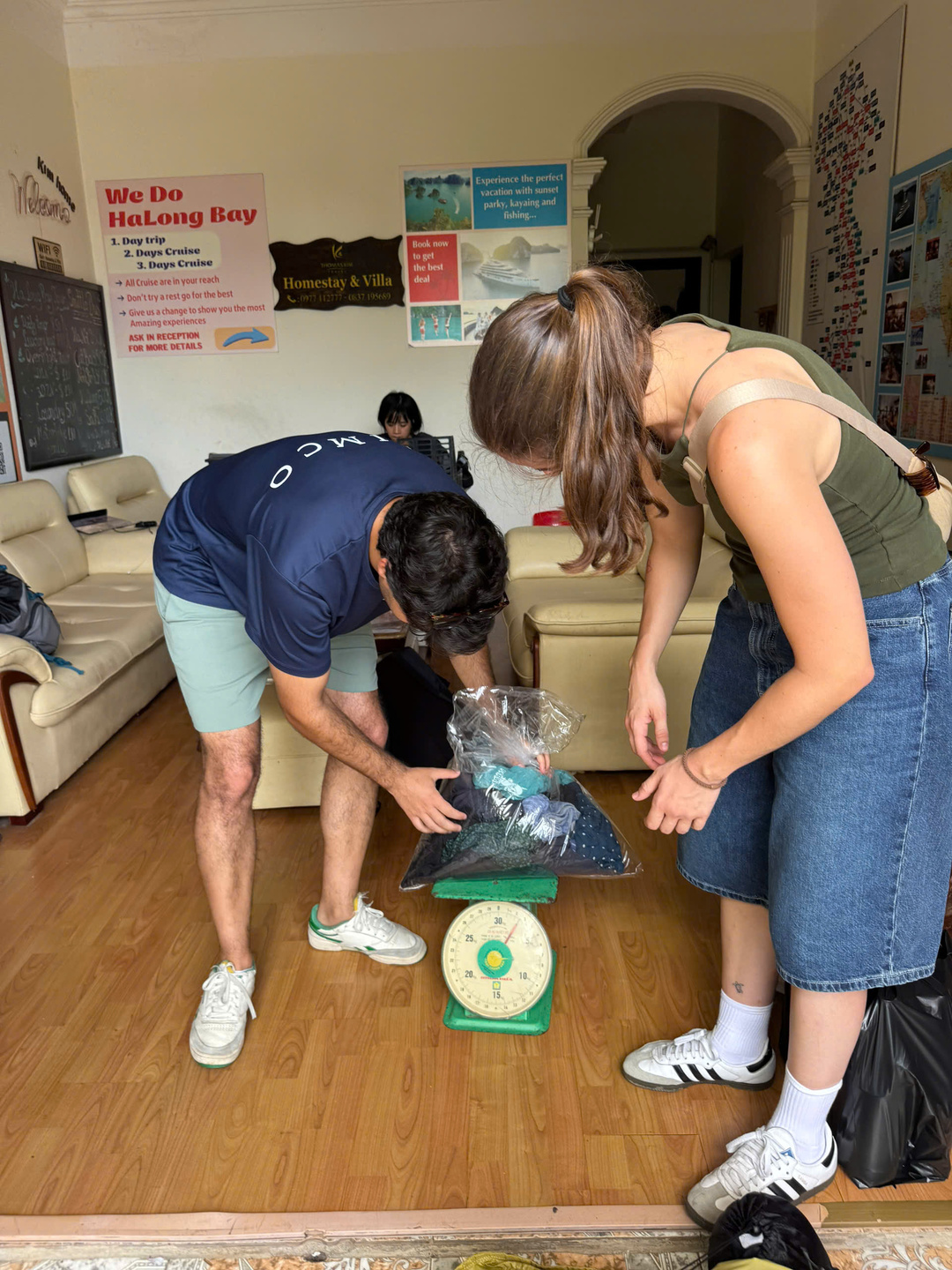
A typical cycle can take roughly 30 to 60 minutes, although timing varies by machine, fabric, and soil level. Before cleaning begins, staff assess each item and identify care instructions, stains, and construction details. That preparation helps determine whether a garment is suitable for solvent cleaning, needs spot treatment, or should receive another method. The goal is not simply to make clothing look clean, but to clean it with an approach suited to its condition.
Garment inspection and labeling
The first step is a close inspection. A cleaner checks the care label, fabric type, seams, buttons, embellishments, and any existing damage. Customers should point out stains and explain what caused them, since oil, makeup, coffee, and ink respond differently to treatment. Staff then attach a tracking tag so the garment can be identified throughout the service.
This assessment also helps prevent avoidable problems. A loose button may need attention before cleaning, while delicate trim could require extra protection or a gentler method. If the label advises against solvent cleaning, a professional can discuss alternatives rather than proceed blindly. In a well-managed dry cleaning process, these small checks establish how each piece should be handled.
Stain treatment and sorting
Next, garments are sorted according to color, fabric, cleaning requirements, and soil level. Sorting reduces the risk of dye transfer and helps ensure that items with similar needs are treated together. A specialist may apply a targeted solution to visible marks before the main cycle, using a technique selected for the stain and material. This is especially useful because stains can become harder to remove after heat or time sets them.
Pre-treatment requires judgment, not just stronger chemicals. Rubbing too hard or using an unsuitable product can spread a mark, fade color, or damage fibers. For that reason, the cleaner tests and treats carefully, often working from the edge of a stain toward its center. This stage prepares clothes for the machine and makes the overall dry cleaning process more effective.
Solvent cleaning and finishing
After preparation, garments enter a closed cleaning machine. The drum moves them through solvent, which helps dissolve oils and carry away soil; filters capture particles as the liquid circulates. Modern equipment can recover and reuse much of its solvent, though systems and environmental practices differ between providers. Once cleaning is complete, the machine extracts the liquid and dries the garments under controlled conditions.
The final steps restore a polished appearance. Staff press or steam each item, reshape collars and seams, and check for remaining marks or loose details. A final inspection catches issues before clothes are packaged for collection. Because cleaning is only one part of garment care, careful finishing is what helps the dry cleaning process deliver clothes that are ready to wear.
How to prepare clothes for professional cleaning
Good results begin before a garment reaches the counter. A few simple habits help the cleaner understand what each item needs and reduce the chance of confusion. Use this checklist when arranging dry cleaning:
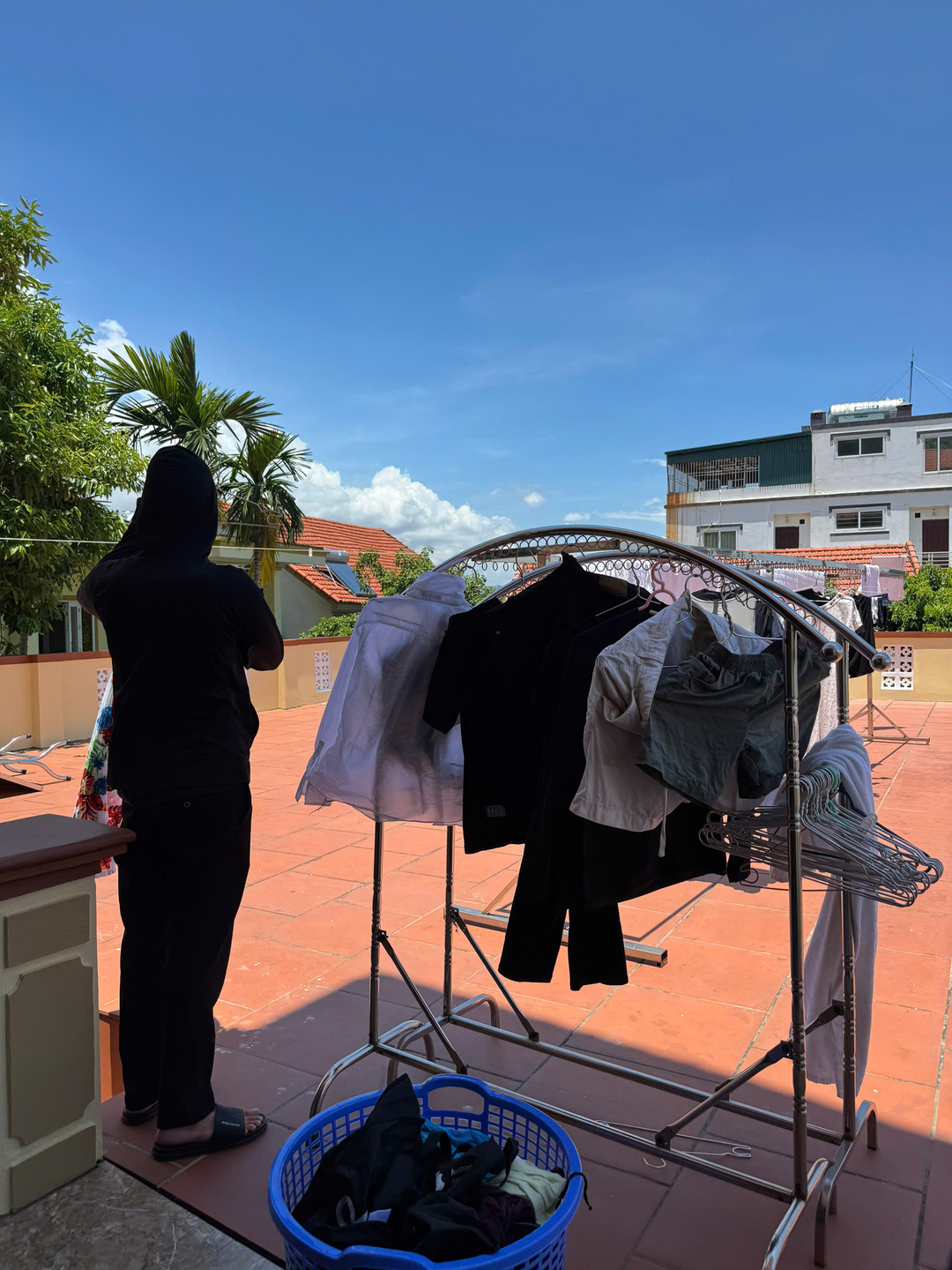
- Check the care label: Share the garment’s instructions, especially if the fabric is silk, wool, rayon, or a structured blend.
- Point out every stain: Name the likely source and say when it happened; avoid home remedies that could set or spread it.
- Empty all pockets: Remove receipts, pens, keys, and other items that could damage clothing or equipment.
- Mention repairs or delicate details: Flag loose buttons, beads, sequins, fading, or previous damage before drop-off.
- Ask about timing and care: Confirm the expected collection date and whether a particular finish is available.
These details give staff useful context, but they cannot guarantee that every stain will disappear. Some marks permanently alter fibers, especially after repeated washing or exposure to heat. A cleaner should explain realistic expectations before treatment when a garment appears especially delicate or stained. Clear communication makes the dry cleaning process more predictable for both the customer and the service team.
It is also worth asking how a provider handles solvent use and garment tracking. Professional machines are designed to contain and recover cleaning liquids, but operating standards and equipment vary. A transparent business can explain its process, provide a collection estimate, and tell you how it records special instructions. Those practical answers are often more useful than promises of perfect results.
Choosing a laundry service in Ha Long
When you are travelling or living in Ha Long, a convenient laundry service can save time and help you care for clothing between plans. Halong Laundry is an option for customers seeking garment care with accessible communication. Before handing over valuable items, ask about turnaround time, stain limitations, pricing, and how delicate garments are handled. These questions help you choose a service that fits both your schedule and your clothing.

Consider these practical advantages when contacting Halong Laundry:
- Convenient communication: WhatsApp makes it easier to ask questions and coordinate service.
- Clear garment details: Share the care label, fabric concerns, and known stains before cleaning.
- Helpful for visitors: Arrange clothing care around your stay and travel plans.
- Individual attention: Explain which items need extra care, such as suits, dresses, or delicate fabrics.
- Realistic expectations: Ask what treatment is suitable and whether a particular stain may remain.
- Care beyond cleaning: Confirm finishing and collection details so you know what to expect.
For the most useful advice, send a message describing the garment and your preferred timing before visiting. Ask whether the dry cleaning process is suitable for your item and what results you can reasonably expect. Halong Laundry can be contacted on WhatsApp at +84837195689.
Conclusion
Dry cleaning process combines inspection, stain treatment, solvent cleaning, and finishing to care for garments that may not suit a regular wash. For a convenient local option, contact Halong Laundry and ask about the right service for your clothing. Message WhatsApp + 84837195689 to check availability and arrange your garment care in Ha Long.